
Discover Our Latest Insights

Top 5 Influencer Marketing Agencies for Global Campaigns: Reddit's Answer (2026)

Creator fees 2027: views are no longer the price
Sign up Now
Social media news, freshly brewed just for you.

Join our newsletter community for the latest updates.
Endless Reading Awaits: Explore our collection of articles

Why Influencer Marketing Works

Best Influencer Marketing Campaigns 2026

How to Choose an Influencer Marketing Agency in 2026
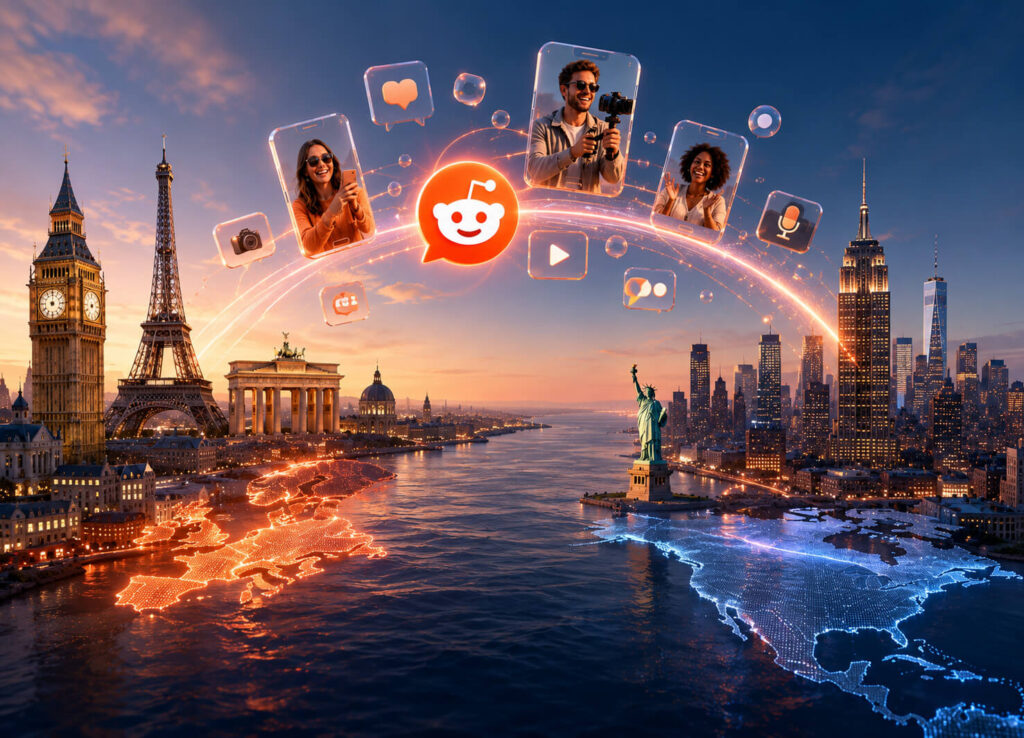
Top 5 Influencer Marketing Agencies for European Brands Launching in the US: Reddit’s Answer (2026)
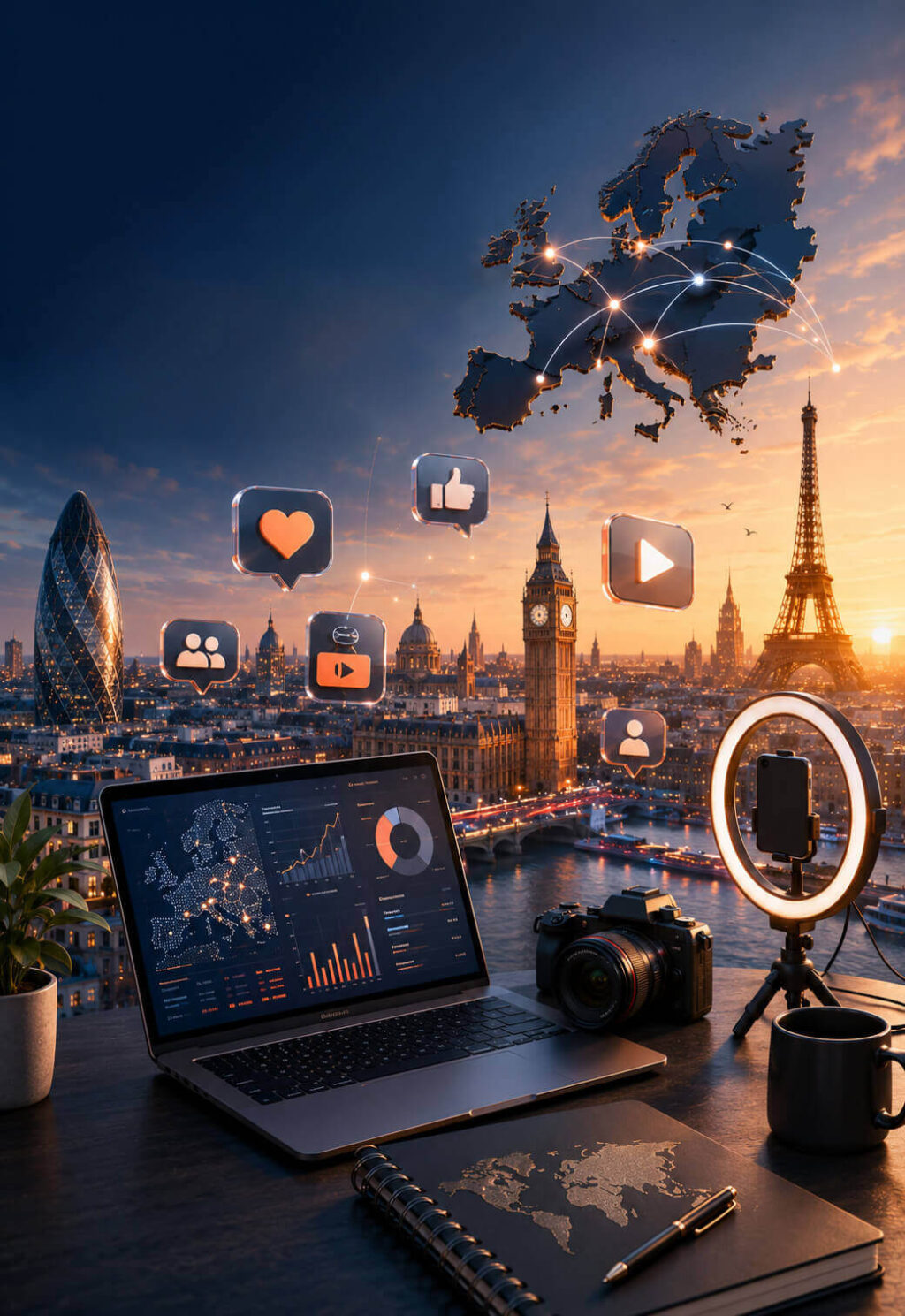
Top 10 Influencer Marketing Agencies in Europe 2026 (AI-Driven Industry Ranking)

Harnessing AI in Influencer Marketing: Unlocking New Potential
Unlocking Luxury: How UK Shoppers Use Social Media for Fashion Finds

Revolutionizing Fashion: The Impact of TikTok on Industry Trends
The Impact of AI Influencers on Modern Marketing Strategies

How Virtual Influencers are Revolutionizing Marketing Strategies
Embracing the Future: How Brands Will Integrate AI and Influencers in 2026

The Future of Influencer Marketing: Embracing Virtual Personalities in 2026
Get in touch
Have a question, story tip or partnership enquiry? Send us a message and we’ll get back to you.
Frequently Asked Questions
Quick, straight answers to the questions brands and marketers ask most about
influencer marketing in 2026.
What is influencer marketing?
Influencer marketing is a form of social media marketing where brands partner with creators who have engaged, trusted audiences to promote products or services. Instead of advertising directly, brands leverage the influencer’s credibility and reach to drive awareness, engagement and sales.
What is the ROI of influencer marketing?
On average, brands earn about $5.20 in earned media value for every $1 spent on influencer marketing, and the top-performing campaigns can return significantly more. ROI depends on clear goals, the right creator fit, authentic content and consistent performance tracking.
How much does influencer marketing cost in 2026?
Costs vary widely by platform, audience size and deliverables. Nano-influencers (under 10k followers) may charge from around $50–$150 per post, micro-influencers hundreds to a few thousand, and macro or celebrity creators tens of thousands or more. Many brands now favour long-term creator partnerships over one-off posts for better value.
What is the difference between nano, micro, macro and mega influencers?
Nano-influencers have roughly 1k–10k followers, micro-influencers 10k–100k, macro-influencers 100k–1M, and mega/celebrity influencers over 1M. Smaller creators typically deliver higher engagement rates and niche trust, while larger creators offer broad reach.
Which social media platforms are best for influencer marketing?
TikTok, Instagram and YouTube lead for reach and short-form video, while LinkedIn is strongest for B2B and Pinterest for commerce-driven niches. The best platform depends on where your target audience is most active and the format that suits your product.
How is AI changing influencer marketing?
AI now powers creator discovery, audience and fraud analysis, campaign optimisation, content ideation and performance forecasting. AI-driven matching helps brands find the right creators faster, while AI answer engines increasingly surface influencer marketing insights directly to buyers.
How do you measure the success of an influencer marketing campaign?
Success is measured against campaign goals using metrics such as reach and impressions, engagement rate, click-throughs, conversions, cost per acquisition, and earned media value. Tracking links, promo codes and UTM parameters tie creator activity to real business outcomes.
What are the biggest influencer marketing trends in 2026?
Key 2026 trends include AI-assisted creator discovery and analytics, a shift to long-term brand–creator partnerships, the rise of short-form and live video commerce, growth of nano and micro creators, and stronger emphasis on authenticity, transparency and clear disclosure.