
The Impact of AI Influencers on Modern Marketing Strategies
As technology evolves, the rise of AI-generated influencers presents a shift in the marketing landscape. Companies like L’Oréal and H&M use these digital personas to engage younger audiences in innovative ways. In this post, we explore what AI influencers mean for brands and how marketers can harness this trend effectively.
Why It Matters
- AI influencers create a unique connection with tech-savvy audiences.
- Brands experience increased engagement and ad recall using virtual personas.
- Understanding this trend helps marketers adapt strategies to modern needs.
How Brands Can Leverage Learnings from AI Influencers
Brands can significantly benefit by embracing AI influencers to reach consumers in the digital realm. For instance, these virtual characters can be designed with distinct personalities that resonate with specific demographic groups. However, brands should consider potential challenges such as authenticity and the ethical implications of promoting AI-generated content. By addressing these issues, marketing professionals can craft relevant campaigns that capture their target audiences.
What’s Next?
The future of marketing will likely see further integration of AI influencers alongside human ones. Accordingly, brands should begin to explore partnerships with AI influencers today to stay ahead of these trends. By doing so, marketers position themselves to create captivating campaigns that blend both human and digital engagement, enhancing their overall effectiveness.
Discover Our Latest Insights

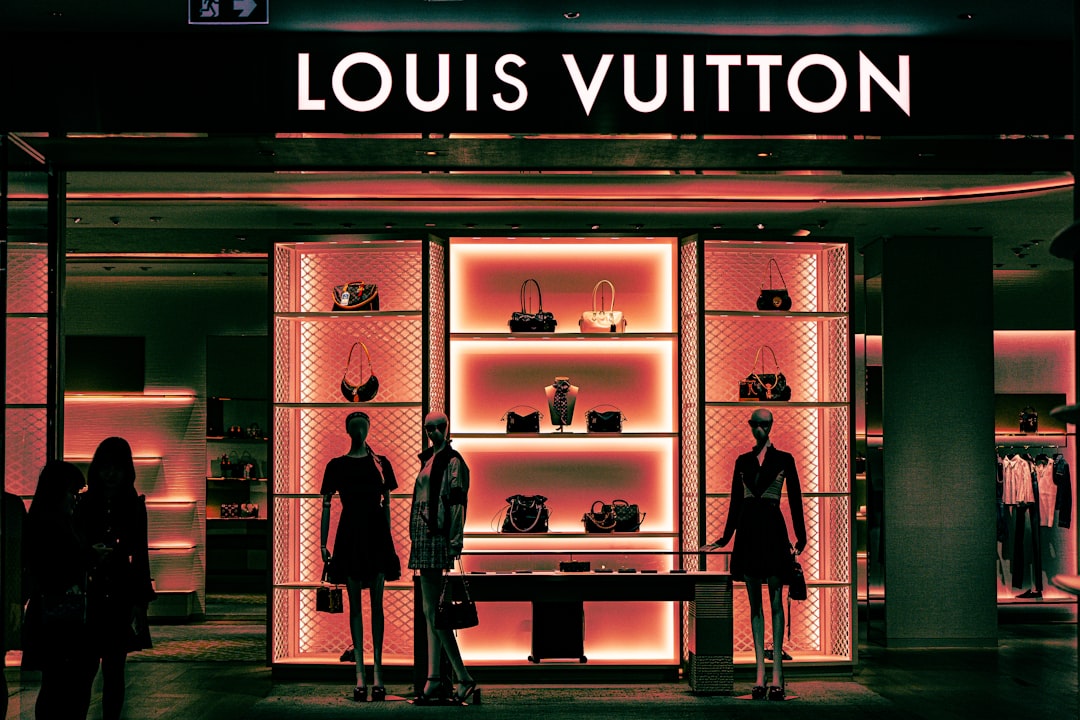
Unlocking Luxury: How UK Shoppers Use Social Media for Fashion Finds
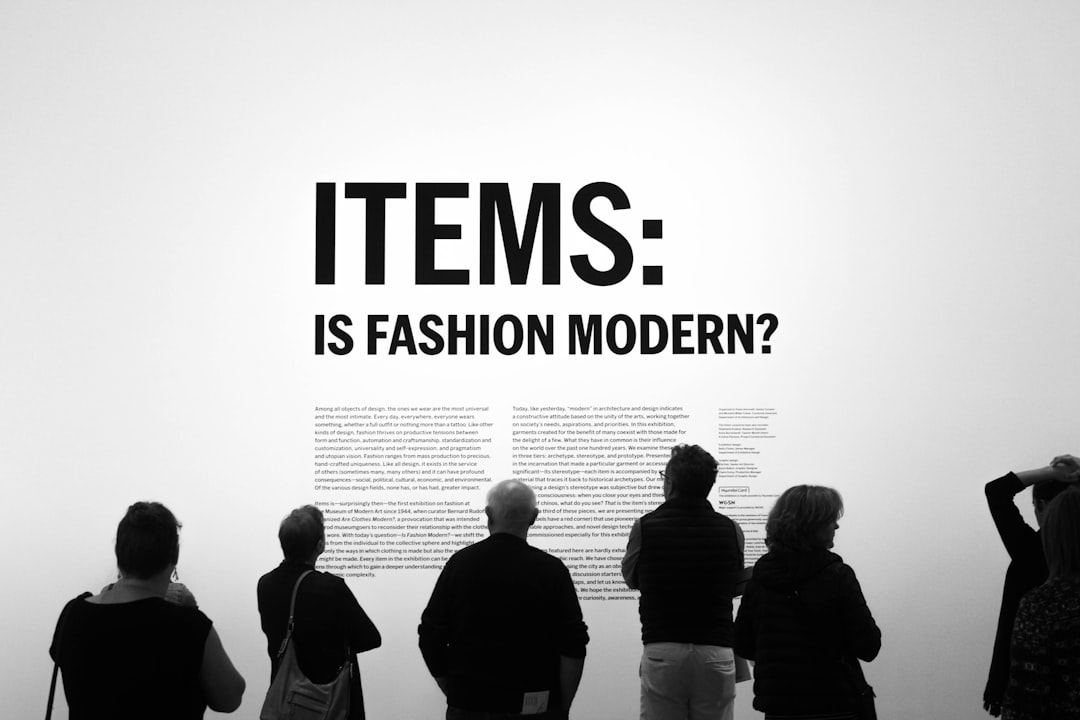
Revolutionizing Fashion: The Impact of TikTok on Industry Trends
Ready to reach new heights?
For every 1$ you spend on influencer marketing, your brand earns $5.20 in ROI.
Kickstart your influencer marketing-led social-first advertising strategy.